mumbai slum dwellers
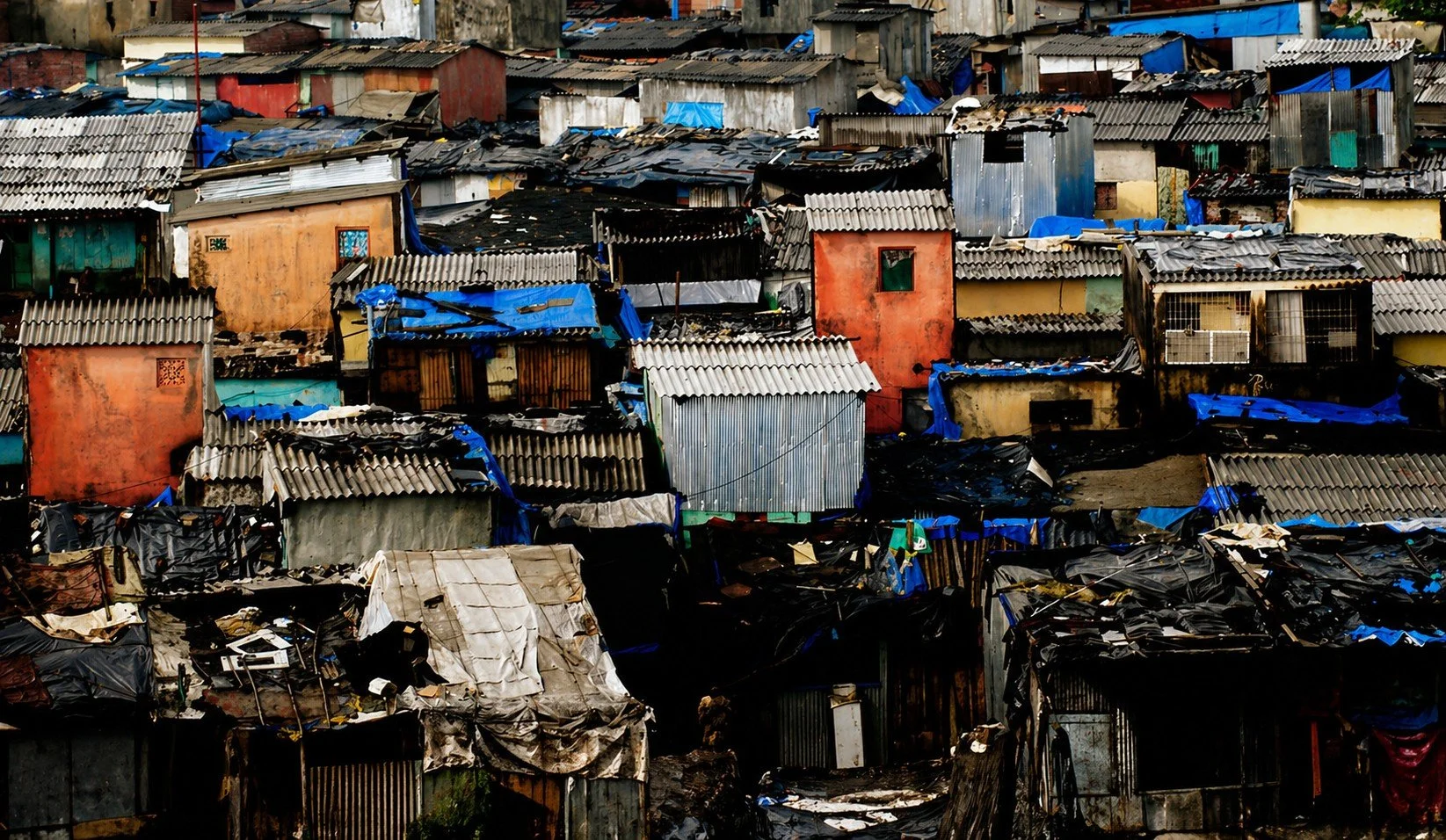
Formerly known as Bombay, Mumbai is not only the country’s financial centre but also one of the most densely populated cities in the world, with more than 20 million people spread across a vast and constantly expanding urban landscape.
Rapid urbanisation has placed enormous strain on the city’s infrastructure. In its informal settlements, millions live in tightly packed, improvised housing with limited access to clean water, sanitation, and healthcare. This level of density intensifies existing pressures, deepening poverty and inequality while stretching already fragile systems.
The result is a city defined by sharp contrasts, where global wealth and opportunity exist alongside profound deprivation, often separated by little more than a single street.
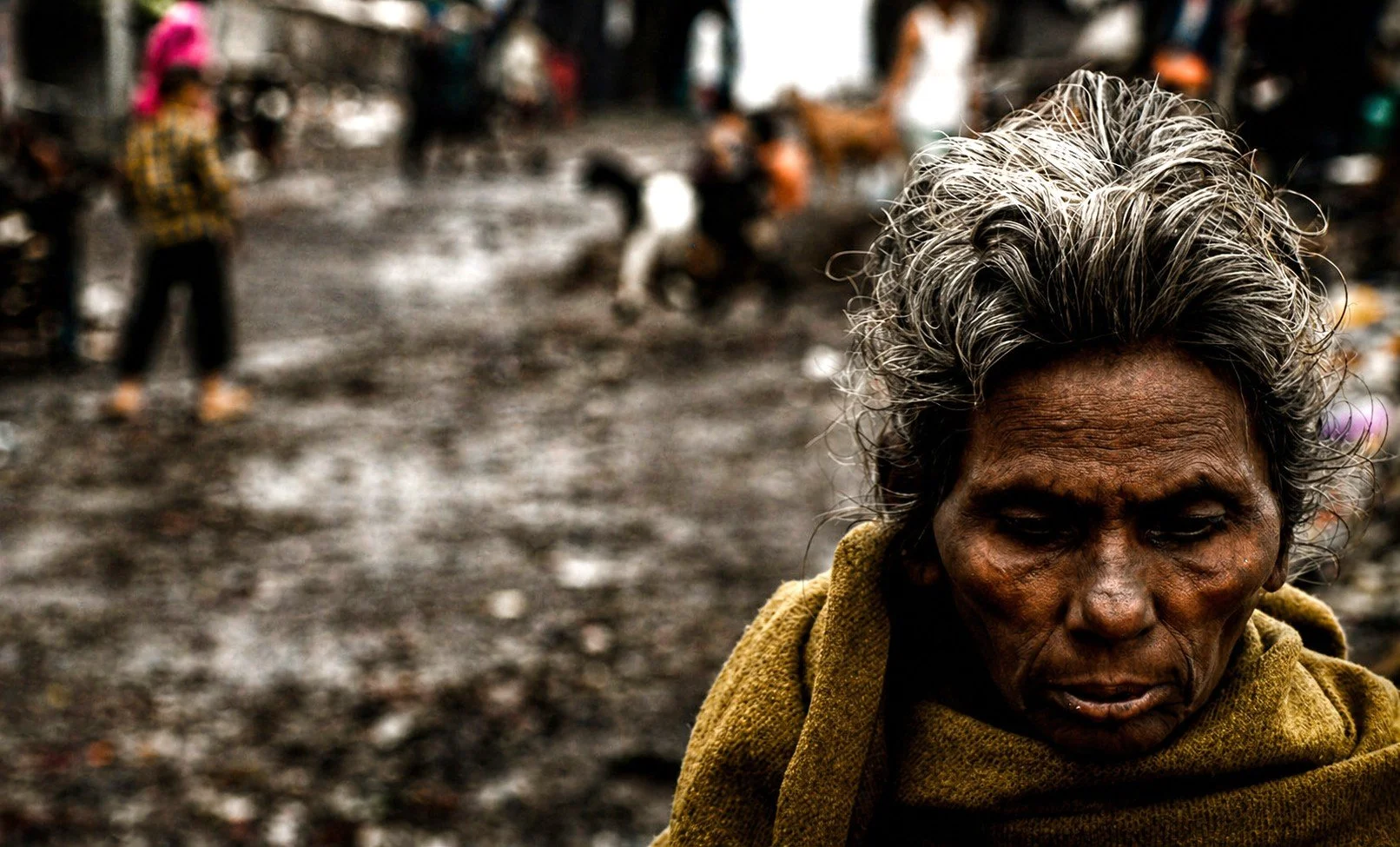
The prospect of a well-paid job and a fresh start draws India’s rural poor to cities like Mumbai. However, for many, the dream of a better life quickly turns into a nightmare of urban squalor and poverty.
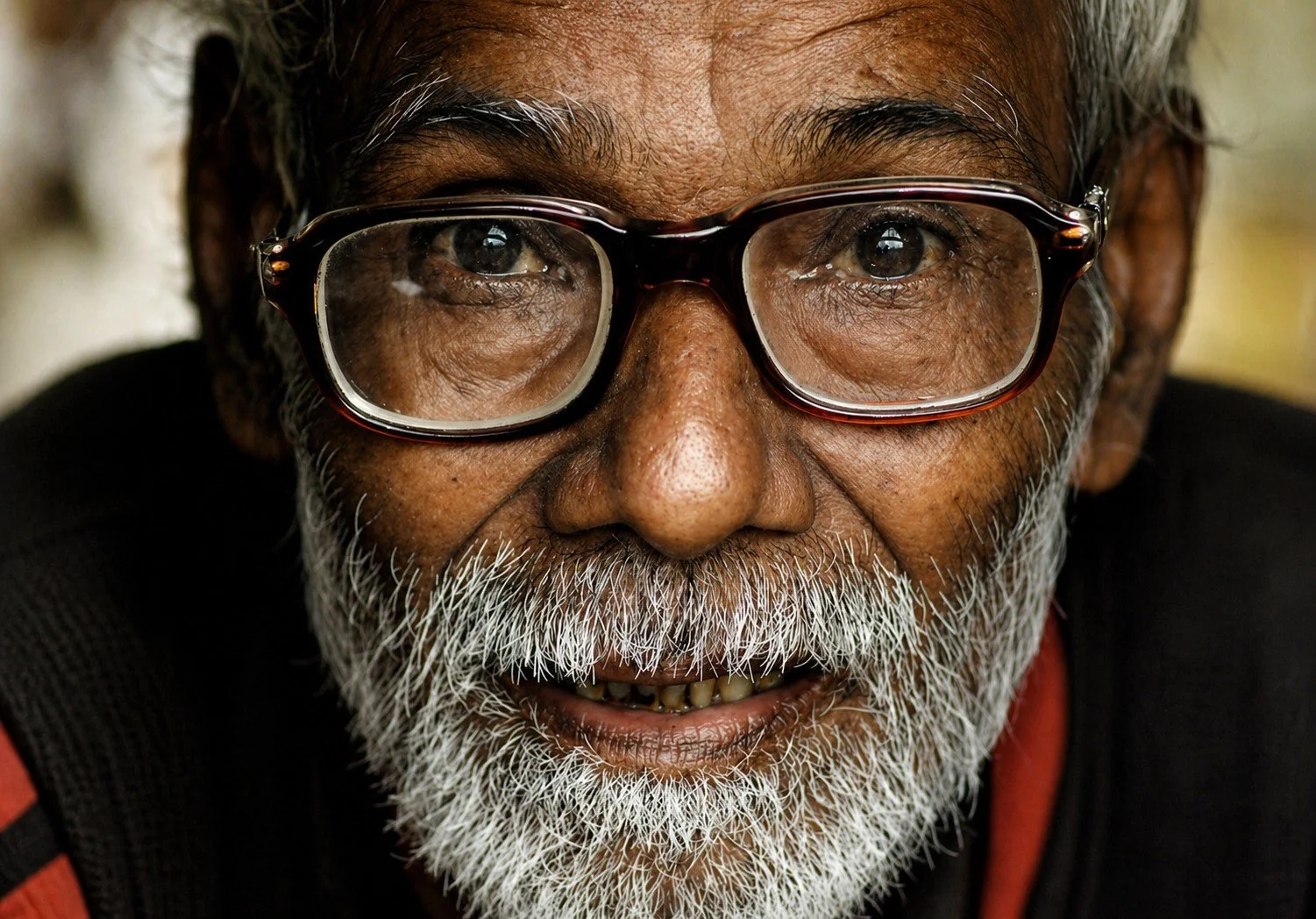
During the July monsoon, this slum dweller took shelter from the relentless rain beneath a flimsy tarpaulin.
Huddled inside his cramped, one-room shack, he watched a flickering black-and-white television as it broadcast the England vs. India cricket test live from Trent Bridge in Nottingham. The distant excitement of the match stood in stark contrast to the damp and fragile reality of his surroundings.
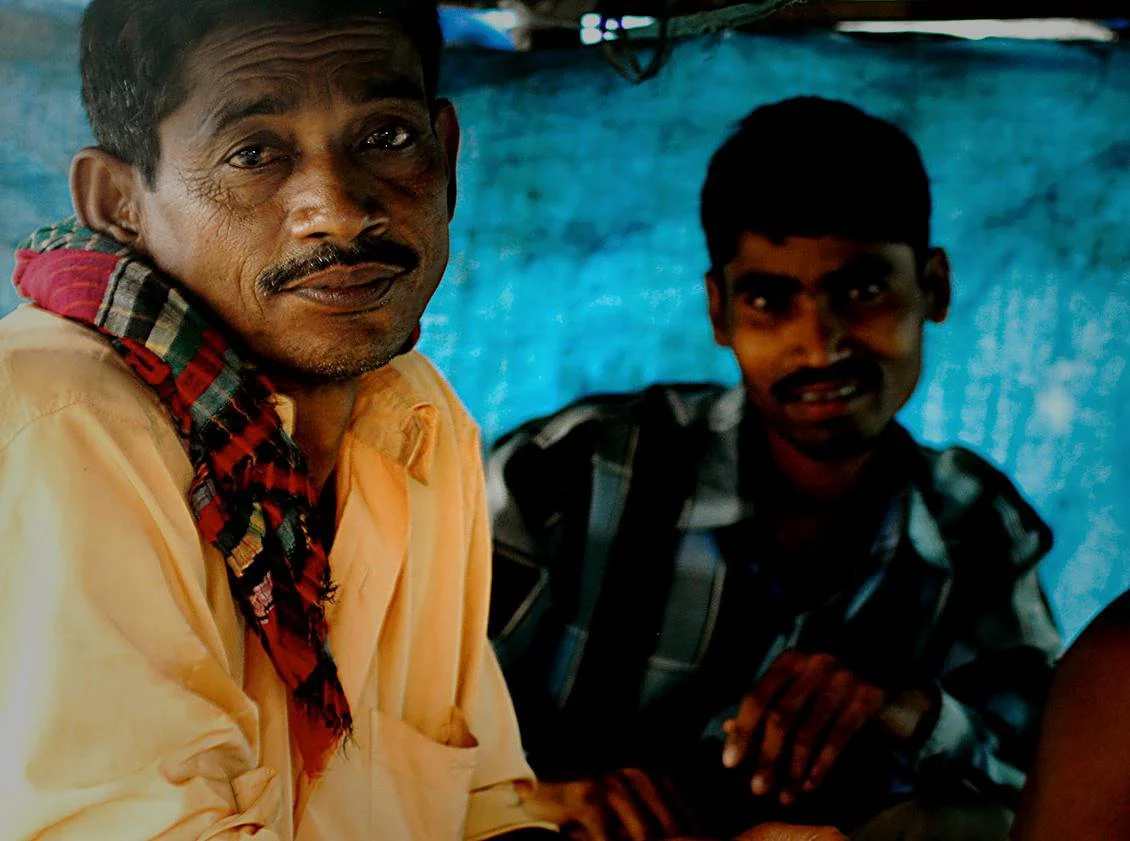
Though many slum dwellers have been residents for decades, they have no legal rights to the land they live on.
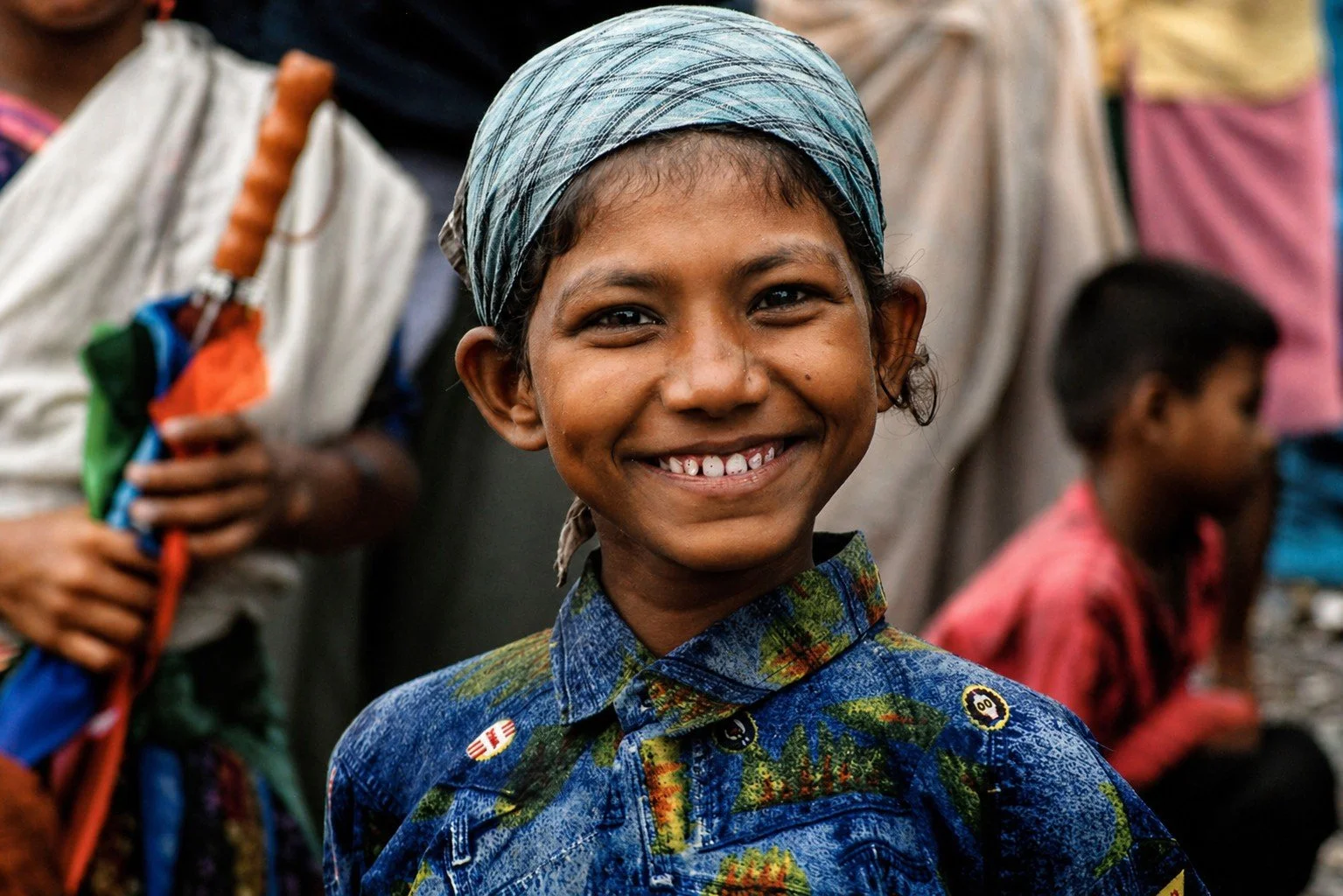
Destroying the houses of the poor however is fraught with difficulty. The government is often condemned for evicting people who have nowhere else to go.

But there are hundreds of thousands of unauthorised plots as well.

Many residents scrape together a living as ragpickers, scavenging through towering heaps of rotting garbage in search of scraps of plastic and metal to sell for a meagre profit.

Mumbai’s slums are home to a wide range of thriving enterprises, from bustling roadside kiosks to metal workshops and businesses specialising in recycling plastic goods.
These informal industries are vital to the local economy, providing livelihoods for thousands of residents despite the challenging conditions.
It may be India’s financial capital and home to immense wealth, but an alarming 55% of Mumbai’s population struggles to survive on just one meal a day.
In a city known for its skyscrapers and thriving business districts, millions of people face extreme poverty, living in overcrowded slums with little access to reliable food, clean water, or healthcare.
This stark inequality highlights the deep divide between the city’s booming economy and the harsh reality endured by its most vulnerable residents.

According to government statistics, in 2003 there were 17 public toilets for every million people in Mumbai.
In the same year, at least one third of Mumbai’s residents did not have access to clean drinking water.

More than 60 per cent of children in Mumbai are malnourished.

Due to financial constraints or cultural expectations, many girls are forced to drop out of school at an early age to contribute to household chores or earn income.

Unsafe travel routes and public spaces can discourage families from sending girls to school.

Many slum areas lack proper toilets and clean water, which particularly affects girls during menstruation. This often leads to absenteeism from school or other public life due to embarrassment or lack of facilities.
I was able to visit the Mumbai slums through Apnalaya, a Mumbai-based charity.
The charity focuses on empowering the urban poor, with special attention to women and girls. It works in some of the city’s most impoverished communities, addressing critical issues such as education, health, and livelihood development.